What is Curly Birch
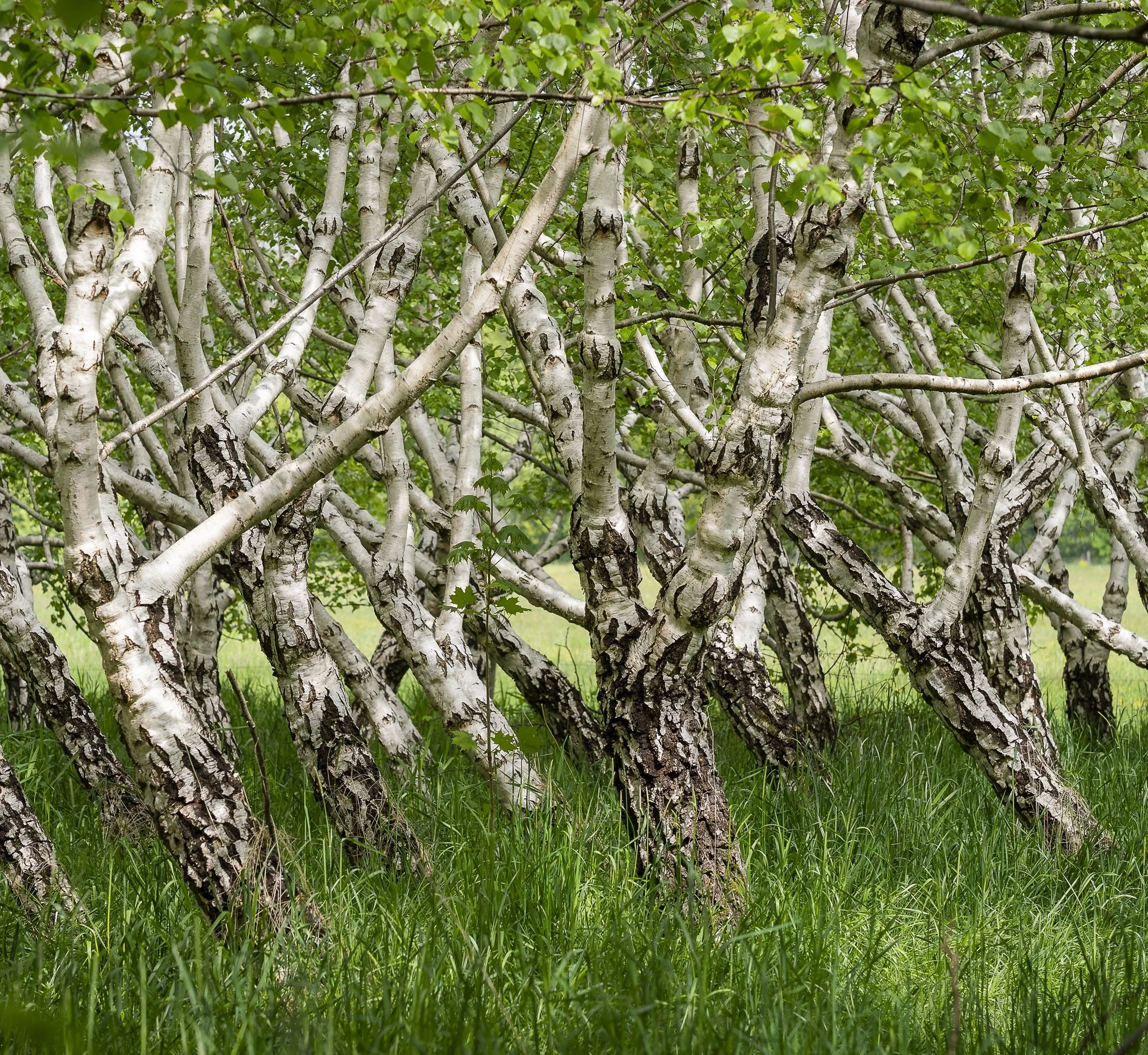
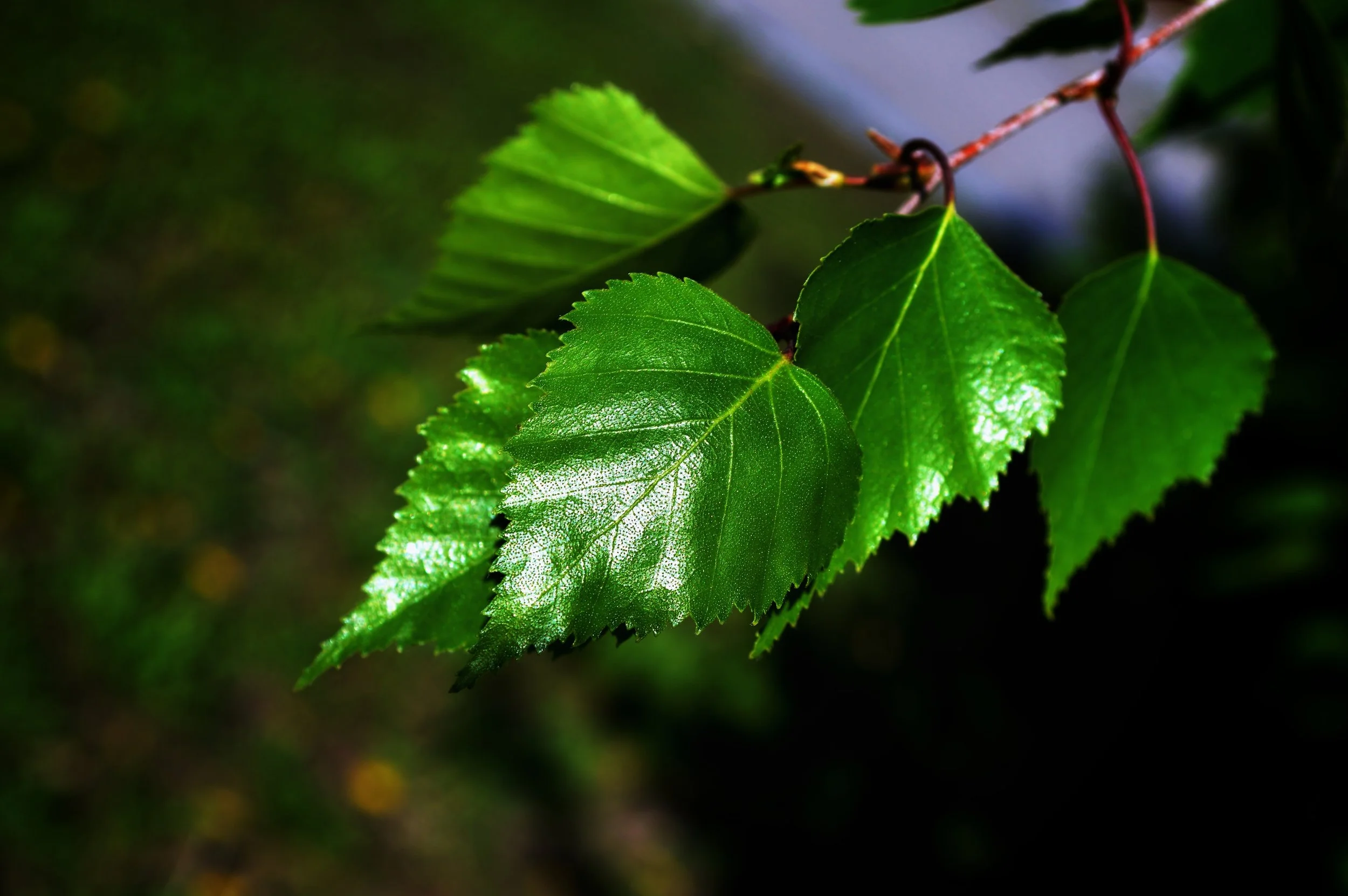
Curly Birch, also known as Karelian Birch or Masur Birch, is a naturally figured form of silver birch, botanically known as Betula pendula var. carelica.
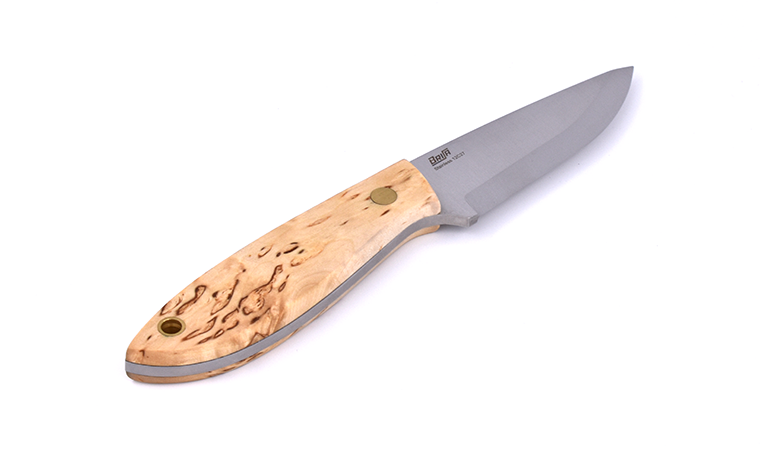
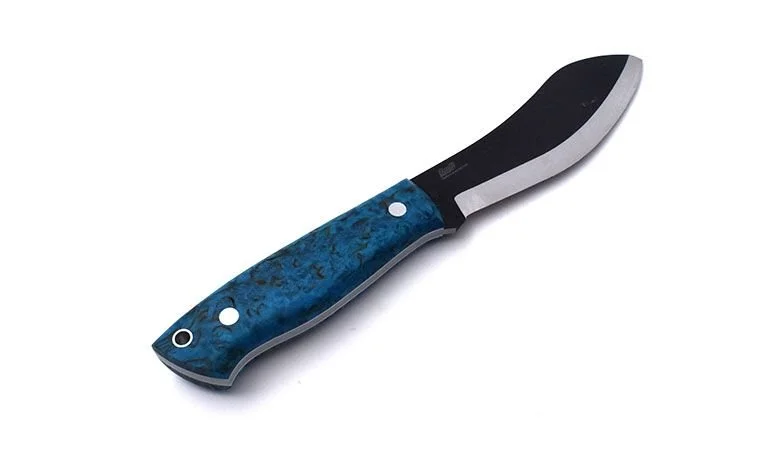
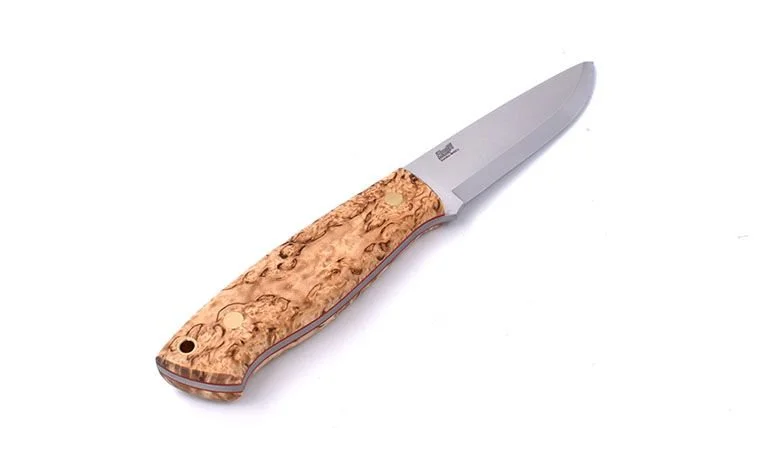
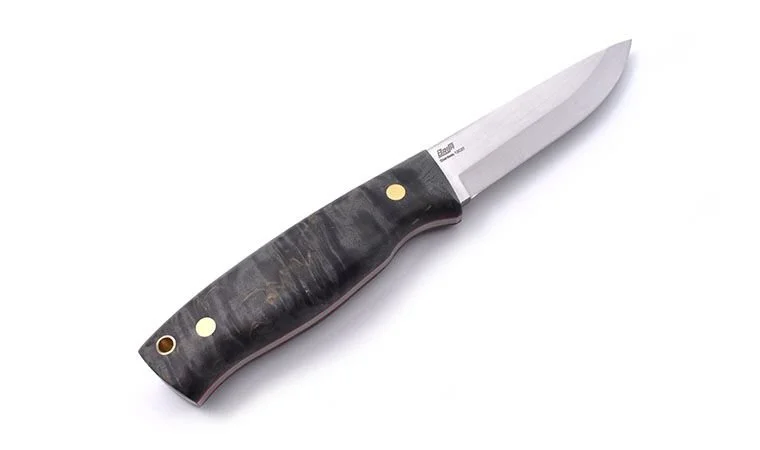
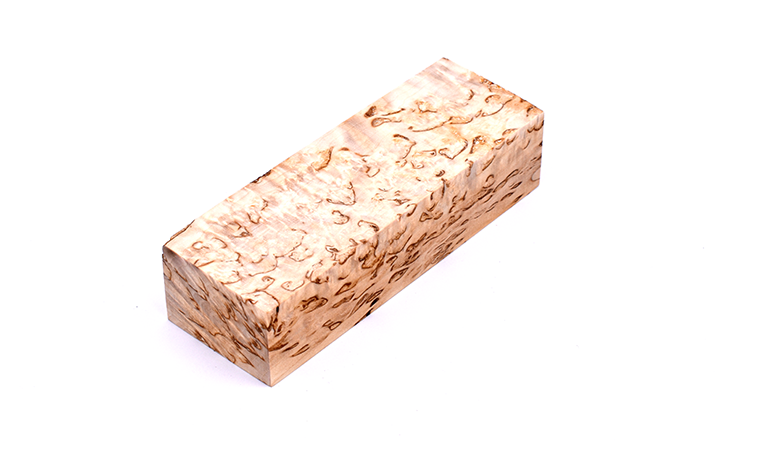
It is recognized by its very distinctive grain, which can display dense curls, dark flecks, irregular lines and contrasting patterns. The wood is generally denser and harder than ordinary silver birch, making it attractive for both decorative and functional applications.
Have fun describing it: Curly Birch is inspiring!
The distinctive look and feel of Curly Birch is, by itself, one of the reasons designers and makers around the world choose this rare wood for their products.
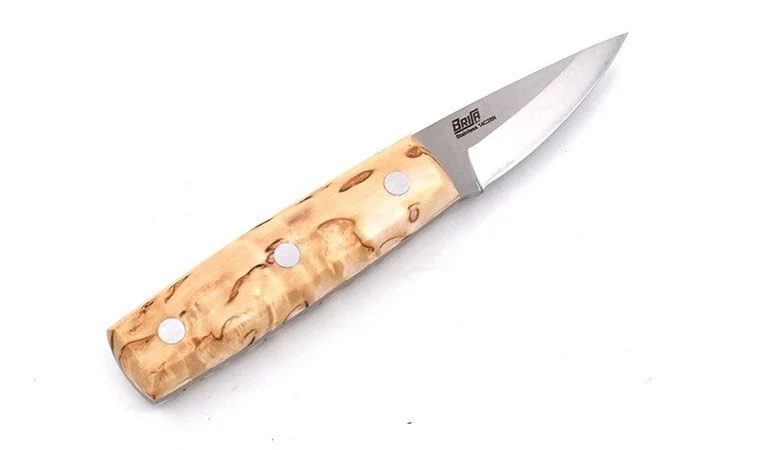
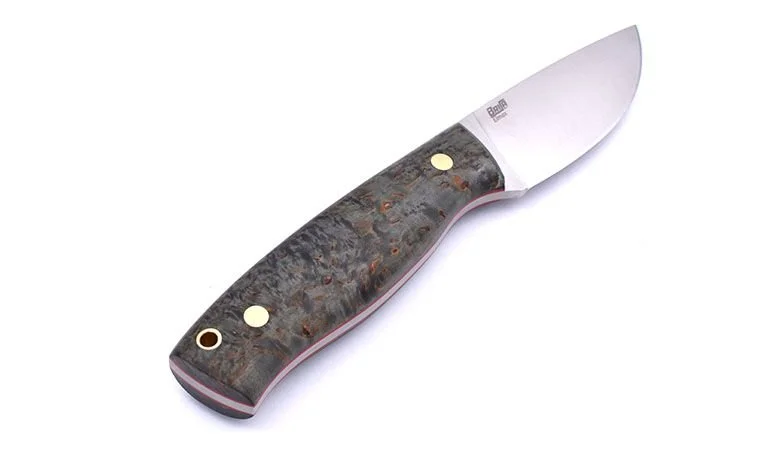
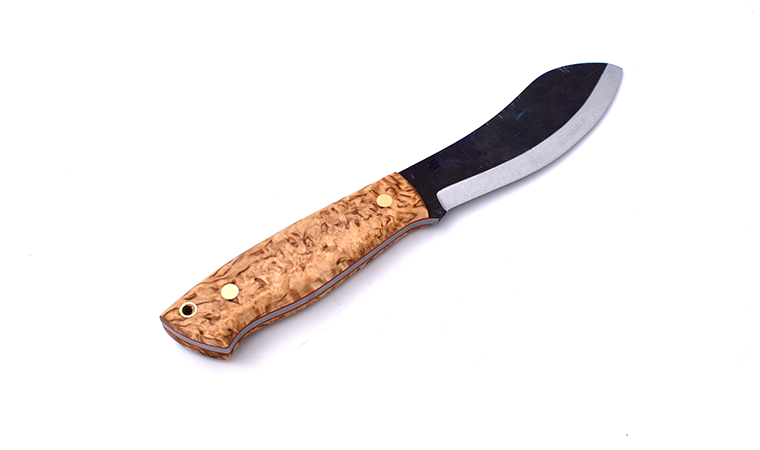
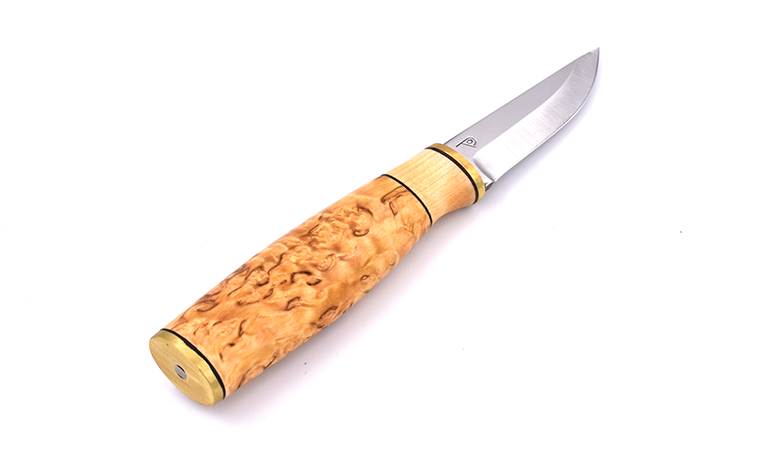
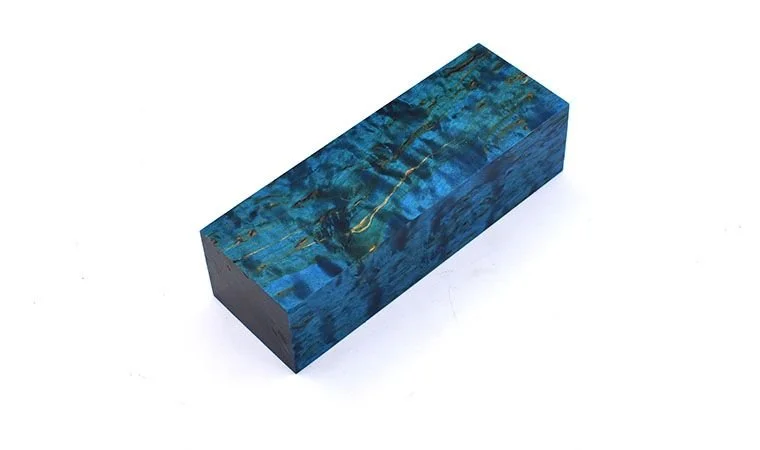
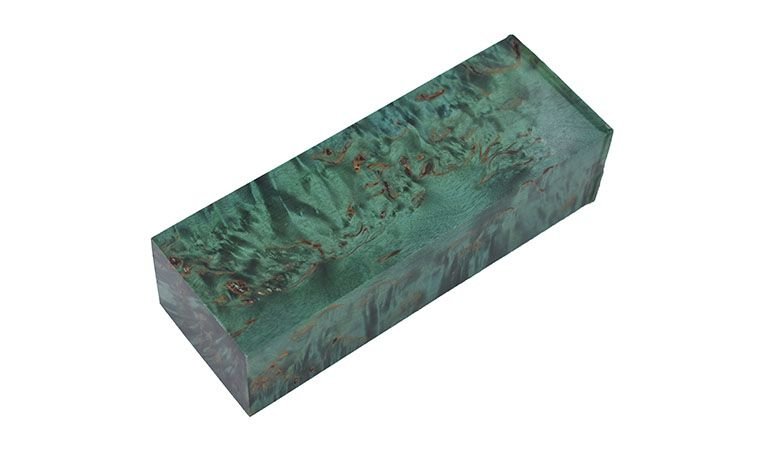
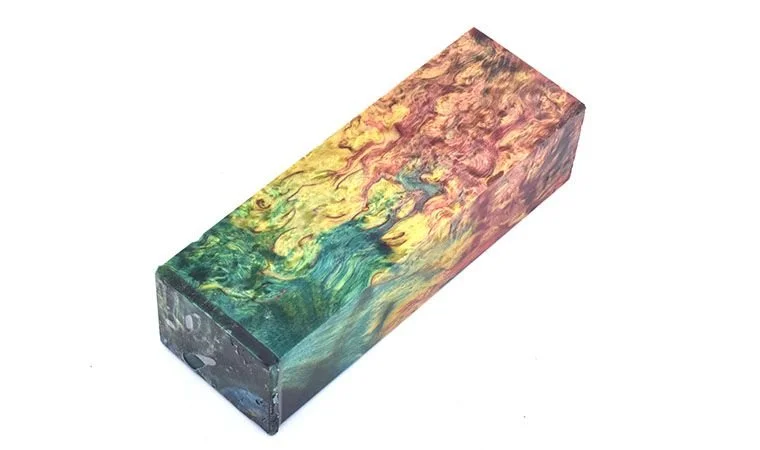
Unlike the relatively straight, uniform grain of ordinary birch, Curly Birch displays a striking, irregular figure that makes each piece unique. Its grain may appear wavy, rippled, mottled, flamed, speckled or almost marble-like, with darker markings contrasting against a pale, warm background. Depending on the cut, lighting and finish, the wood can reveal a three-dimensional appearance, subtle sheen and remarkable depth.
The variation in adjectives is a testament of the beauty and uniqueness of Curly Birch: each piece is absolutely unique, while possessing the distinct Nordic soul from the wood.
But wait, why exactly does this happen?
Why does Curly Birch develop its distinctive figure?
The figure of Curly Birch is not a surface effect. It begins inside the living tree, as wood develops in an unusual pattern.
Research indicates that the characteristic figure has a genetic basis and can be inherited. Studies of trees grown from controlled crosses have identified strong associations between genetic variation and the development of figured wood. The precise biological mechanism, however, is not yet fully understood.
In ordinary birch, wood cells generally develop in a relatively regular arrangement. In Curly Birch, wood formation follows a different pattern: the fibres deviate from their usual direction, creating the curls, ripples and contrasting markings visible when the trunk is cut.
Scientists are still investigating exactly how these differences develop, and which genetic mechanisms control them. Recent research has identified promising regions of the birch genome associated with the trait, but the specific causal variation has yet to be conclusively established.
The result is a natural feature that can be inherited, but whose exact expression varies from tree to tree. That combination helps explain why Curly Birch is so distinctive and why its figure cannot simply be predicted from the appearance of a single piece of timber.
What is Karelian Birch
You have heard the three terms: Curly, Masur or Karelian Birch. So, are they the same wood?
The name Karelian Birch comes from Karelia, a historical and geographical region extending across areas of present-day Finland and northwestern Russia. The region is closely associated with the natural occurrence and traditional use of this distinctive figured birch. The botanical name Betula pendula var. carelica also reflects this regional association.
So, is Karelian Birch different from Curly Birch?
In the timber trade, Karelian Birch and Curly Birch are commonly used to describe the same distinctive material. “Curly Birch” emphasises the appearance of the grain, while “Karelian Birch” refers to the region historically associated with the wood.
The terminology is not always perfectly consistent, however. “Curly Birch” can be used more broadly to describe figured birch, while “Karelian Birch” is often associated more specifically with Betula pendula var. carelica. Commercial naming conventions may also differ between countries and suppliers. In the case of Brisa Curly Birch, we strictly supply Betula pendula var. carelica from long-term supplier partners. Origin and quality are essential for us.
What is Masur Birch
Masur Birch is a widely used commercial name for birch with distinctive figured wood. The term is particularly familiar in Nordic and German-speaking woodworking markets, where related forms such as Swedish masurbjörk are also used.
The word is associated with the broader European woodworking term maser or masur, which refers to unusual figure or growth patterns in wood. Similar terminology can be applied to figured material from other tree species, so the word does not, by itself, identify a unique botanical species. However, in the case of Brisa Curly Birch, we strictly deliver Betula pendula var. carelica with strict origin and quality control.
Learn more about Curly Birch
Habitat
Curly Birch occurs naturally across parts of northern and northeastern Europe, particularly Finland, the Karelia region of Russia and neighbouring areas of the Baltic region. It also occurs in parts of Scandinavia and eastern Europe. Rather than forming extensive, uniform forests, figured trees are typically found sporadically among ordinary birches, making suitable timber relatively uncommon.
Density, weight and hardness
Curly Birch is generally heavier and harder than ordinary silver birch, although its exact properties depend on the individual tree and moisture content. Reported density values vary, with figures around 650–730 kg/m³ often cited for seasoned material. A Janka hardness value of approximately 572 kgf (1,260 lbf, also 5,560 N) is sometimes reported, but should be treated as an indicative figure rather than a universal specification.
Curly Birch comes in 3 grades: the visual quality of the wood
Curly Birch is a natural material, and no two pieces are exactly alike. Its figure can change across a board, and the appearance of the exposed face does not tell the whole story.
At Brisa, we assess each piece by its visible figure and overall characteristics. We use three grades: Standard, Super and Extreme. Each represents a different level of figure, giving you a starting point for choosing material that suits your product and budget.
Grading is a practical judgement, not a promise that every centimetre of a board will look identical. We aim to describe the material clearly, explain any visible features and help you choose with realistic expectations.
Standard: the starting grade
Standard is our entry-level grade of Curly Birch. It offers the distinctive character of figured birch, with greater variation in the intensity and distribution of the figure.
It can be an excellent choice for smaller components, products with limited visible surfaces, or projects where natural variation is welcome. Depending on the piece, the figure may be more pronounced in some areas than others.
Standard is, by far, the most used type of Curly Birch since it is also the most affordable variant of this unique wood. Do not decide against Standard without having seen it: ask us for samples!
Super: a more consistent figure
Super is our middle grade, for customers looking for more pronounced figure than Standard.
It is suitable for products where the wood's natural pattern plays an important role in the finished appearance. As with all natural wood, the figure and its distribution will vary from piece to piece.
Extreme: the rarest and highest grade
Extreme is our highest grade, selected for particularly striking figure.
It is the grade for high-end projects where a truly unique and densely spotted appearance of the wood is a central feature of the finished product. However, even the highest grade cannot guarantee a perfectly uniform pattern throughout the board or in every piece cut from it.
Knots: a natural part of the beauty
At Brisa, we see knots and other natural features as part of the character of wood. They can add contrast, individuality and a distinctive natural appearance.
A knot is not automatically a reason to reject a piece. Whether it is desirable depends on the product, the intended cut and your own preferences.
Do you prefer your Curly Birch without knots? Please tell us when you enquire, so we can discuss the available material and your requirements.
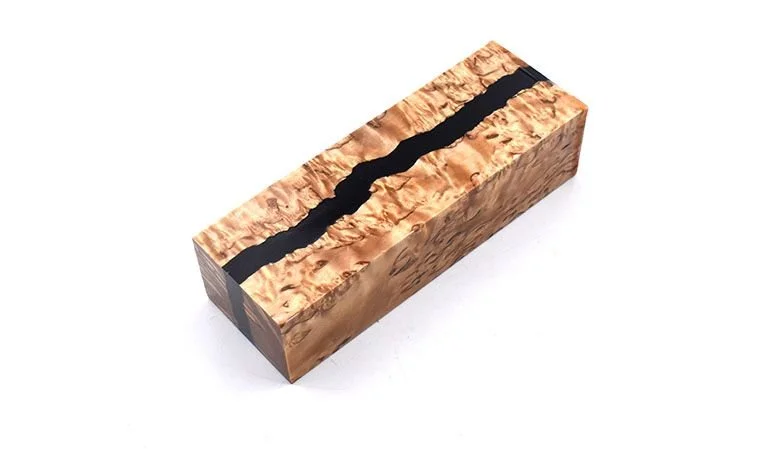
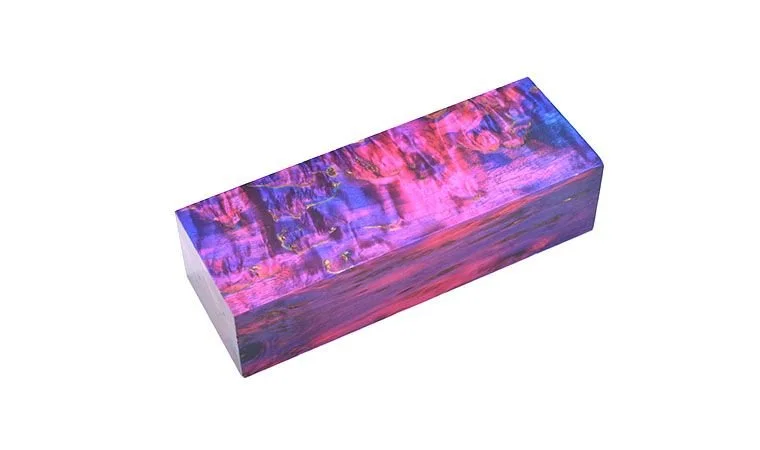
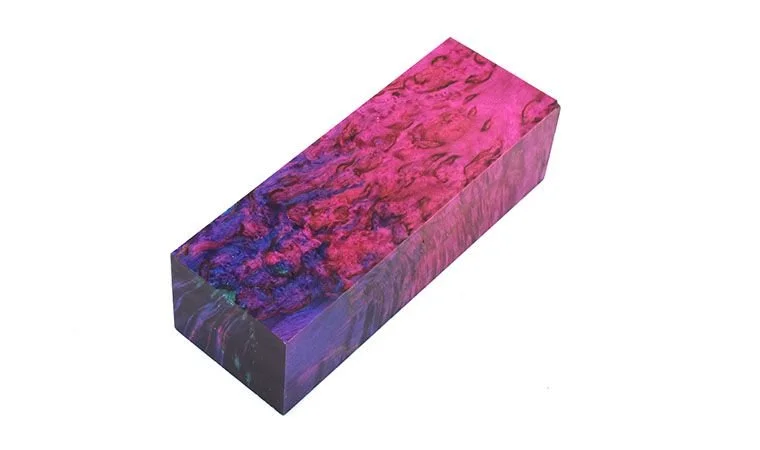
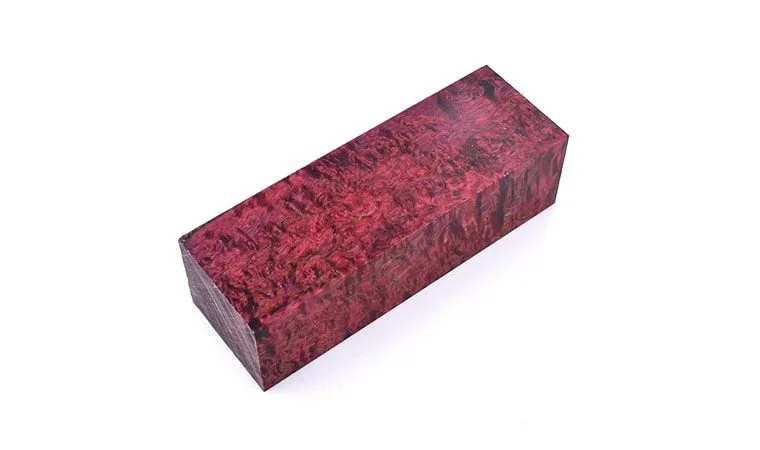
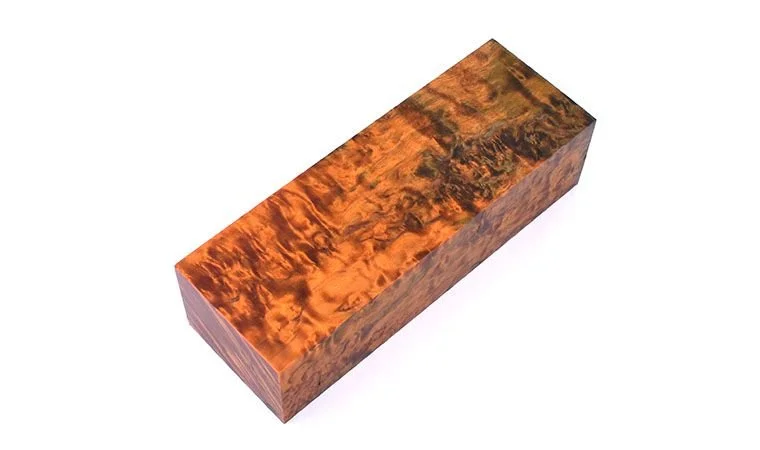
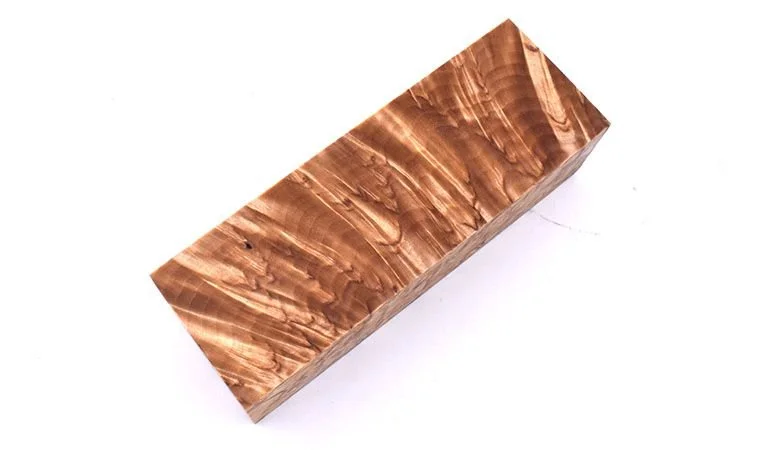
Choosing the right grade for your application
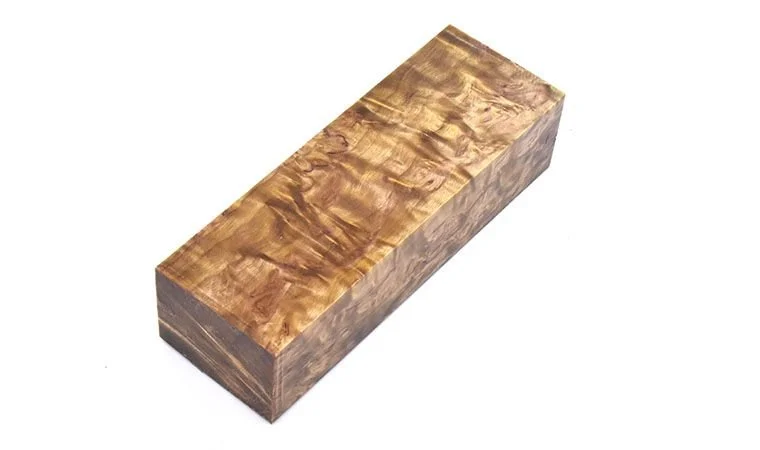
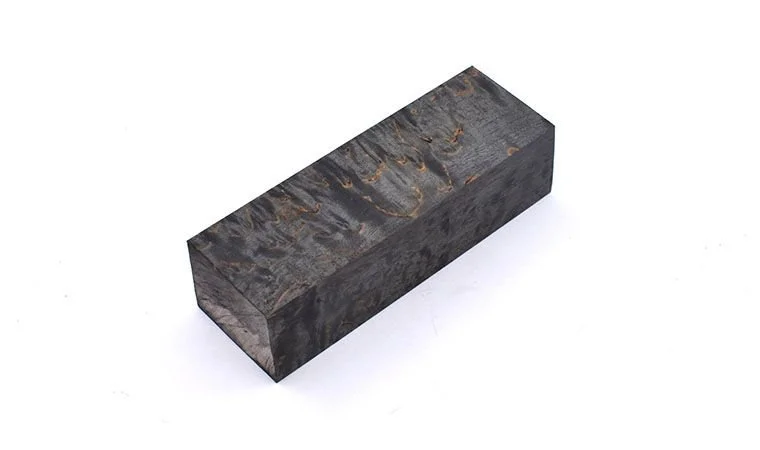
The best grade depends on what you are making, how much of the wood will remain visible and how the material will be cut. And, actually, also the final price intended for the market: the rarest grade tends to fit better in premium-priced product lines.
For a product where the grain is the main visual feature, Super or Extreme may be the right starting point. For smaller components, pieces with limited visible surfaces or projects that welcome more variation, Standard may offer better value.
Tell us about your intended application and the dimensions you need. We can help you identify a suitable grade rather than automatically recommending the highest one.
What can you know before cutting?
The exposed face gives you a useful first impression of a board, but it cannot reliably predict exactly how the figure will look once the material is cut into thinner pieces or smaller components.
Curly Birch can change considerably through its thickness. A striking pattern on one face may look different on the opposite face or on a newly sawn surface. The distribution of the figure may also vary within the same piece.
This is a natural characteristic of figured wood, not something that can be eliminated by grading. If your production depends on a particular pattern, orientation or visible area, discuss this with us before ordering. We can explain what is visible in the available material, while recognizing that the final appearance of each cut cannot be guaranteed.
Let’s discuss the options based on your product, dimensions and intended use.
And please, let us send you samples for you to compare grades, stabilization, coloring, and have a much more precise idea of the best Curly Birch choice for your project.